Patellar Tendonitis: Why Rest Alone Won’t Fix It
Rest alone won’t fix patellar tendonitis because tendons heal by being loaded, not by being left alone. Pain drops while you rest, then comes back the moment you jump, squat or run again.
 Book an appointment
Straight answers on pain, injury and recovery from Dr. Tarandeep Jaidka.
Rest alone won’t fix patellar tendonitis because tendons heal by being loaded, not by being left alone. Pain drops while you rest, then comes back the moment you jump, squat or run again.
Most athletes return to sport 9–12 months after ACL reconstruction. Not because the knee needs that long to stop hurting, but because the graft, the quad and your movement need that long to be ready.
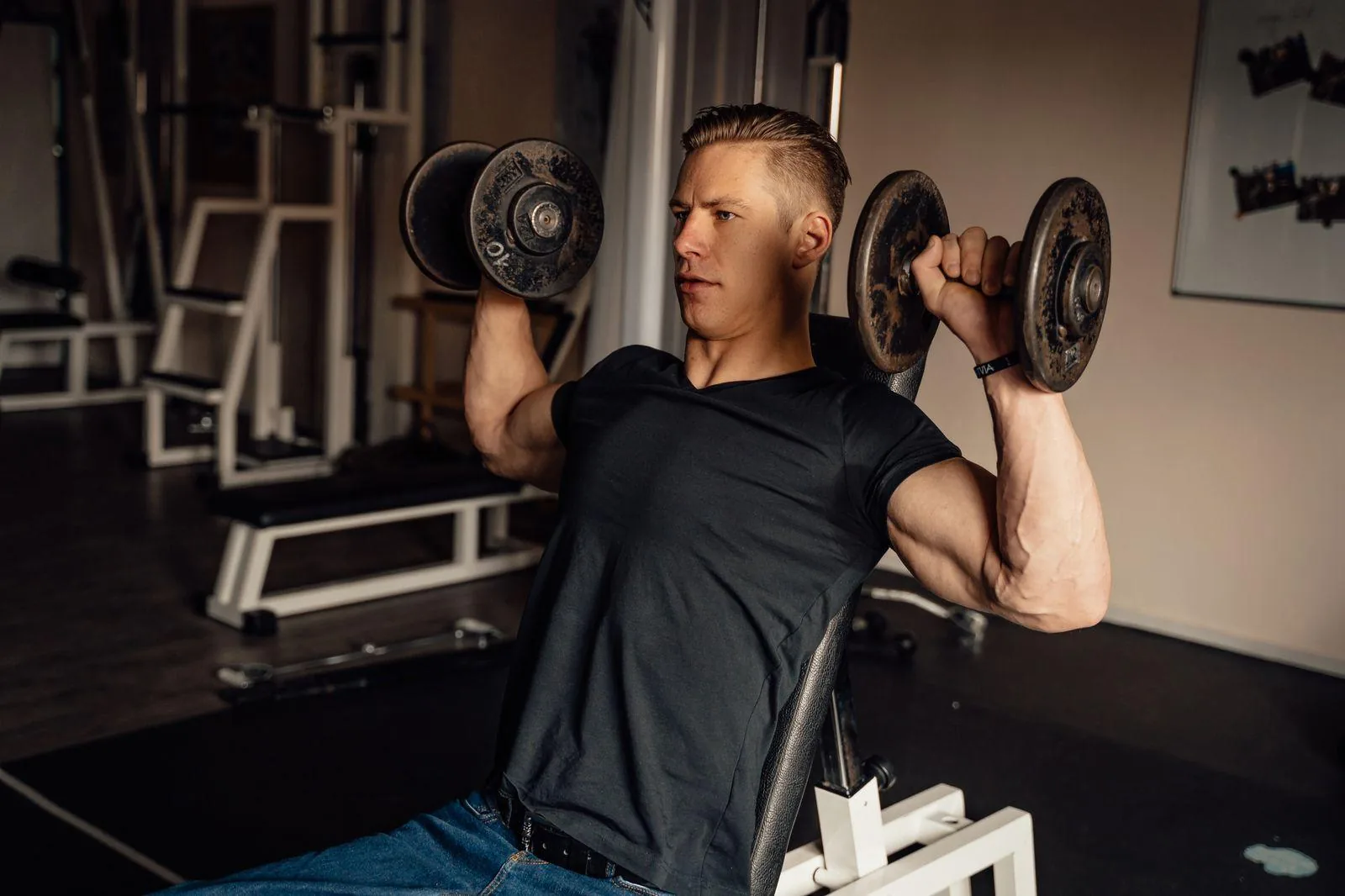
Shoulder pain when pressing overhead usually means the shoulder can’t control the load at the top of the lift, not that overhead pressing is dangerous. The fix is almost never to stop pressing for good.
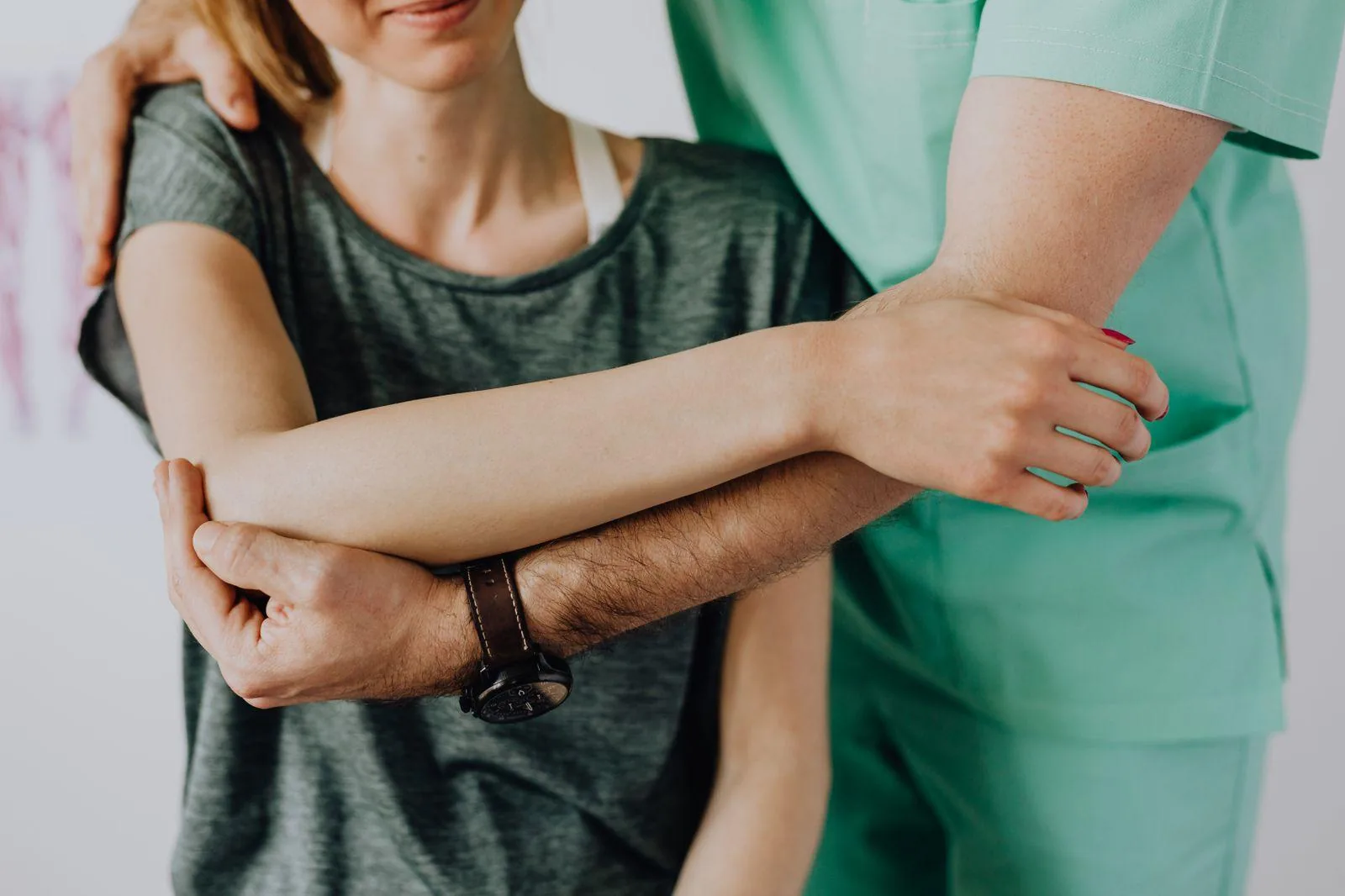
See a physical therapist for rotator cuff pain if it has lasted more than two weeks, wakes you at night, or makes lifting your arm weak. Most rotator cuff problems, including many tears, improve with the right rehab and never need surgery.
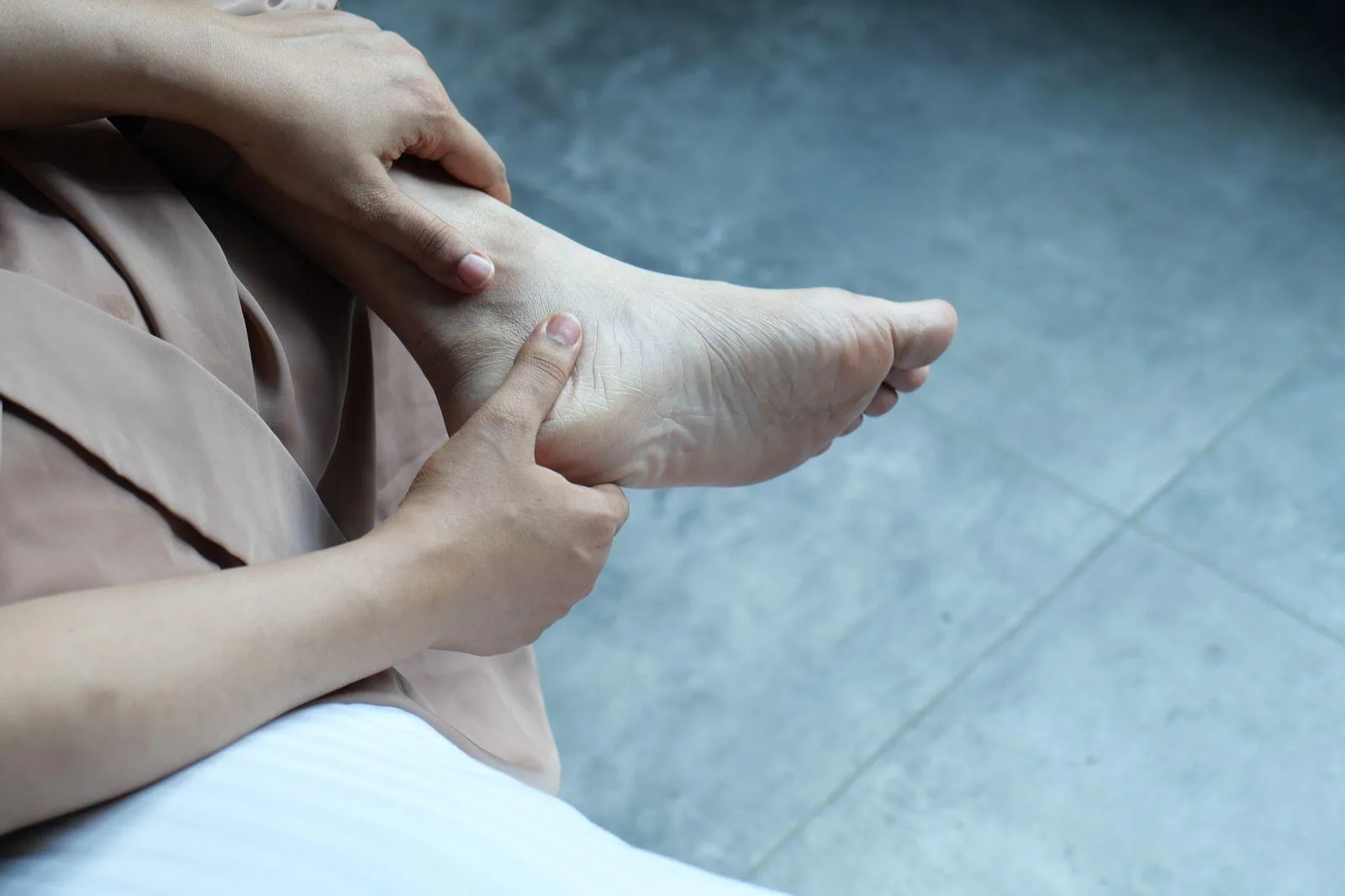
Your heel hurts most in the morning because the plantar fascia shortens and stiffens overnight, then takes your full body weight on the first step before it has warmed up. The pain eases as the tissue loosens, and comes back after you’ve been sitting.
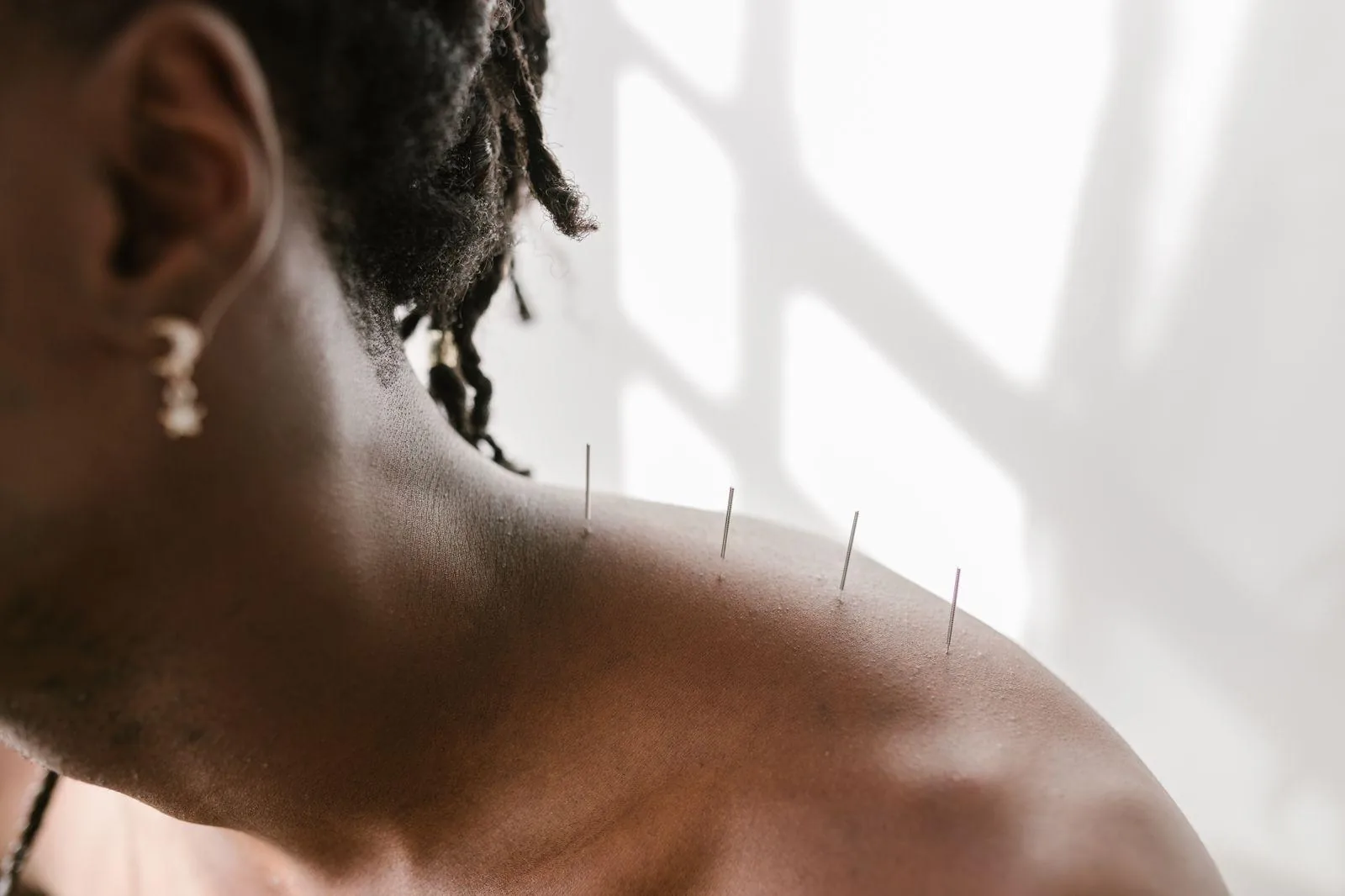
Dry needling uses a thin needle to reach a tight, painful spot deep in a muscle that hands can’t get to. Massage works muscle and fascia from the surface. Both can ease pain; neither fixes the reason the muscle tightened in the first place.
Choose a physical therapist by asking how much of each visit you’ll spend one-on-one with a licensed PT, whether they assess your whole body, what the plan and timeline are, and whether their setup matches what you want to get back to. Distance and insurance matter less than people assume.
If something hurts, isn’t healing, or you’re coming back from injury or surgery, you need a physical therapist. If you’re healthy and want to get stronger or fitter, you need strength and conditioning coaching. Many active people need both, and the gap between them is where they get stuck.
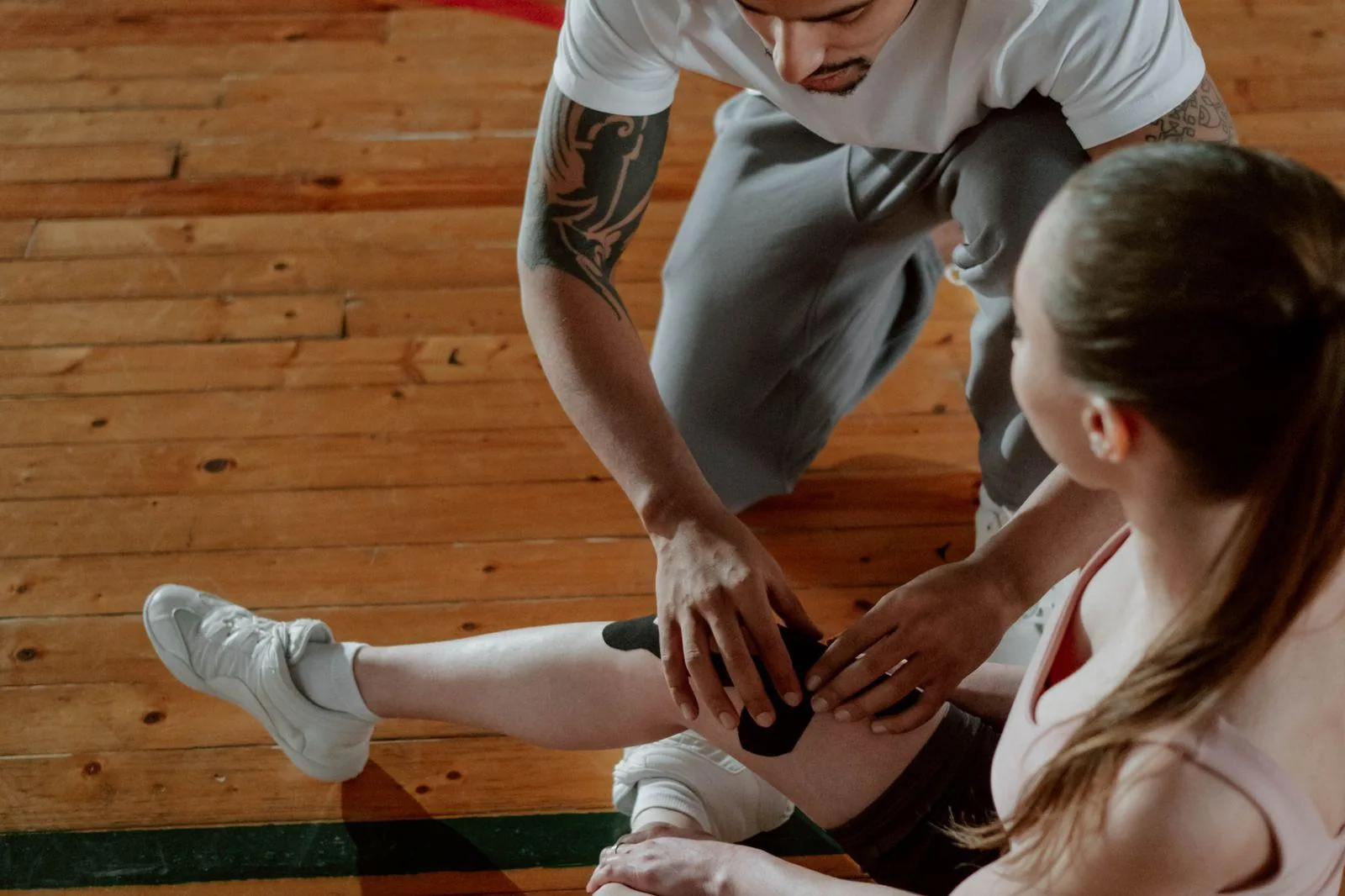
At Pursuit, your first visit is a full hour of one on one physical therapy with Dr. TJ. You talk through your history, get a full-body movement assessment, hear what’s going on, start treatment, and leave with a plan that has phases and dates.
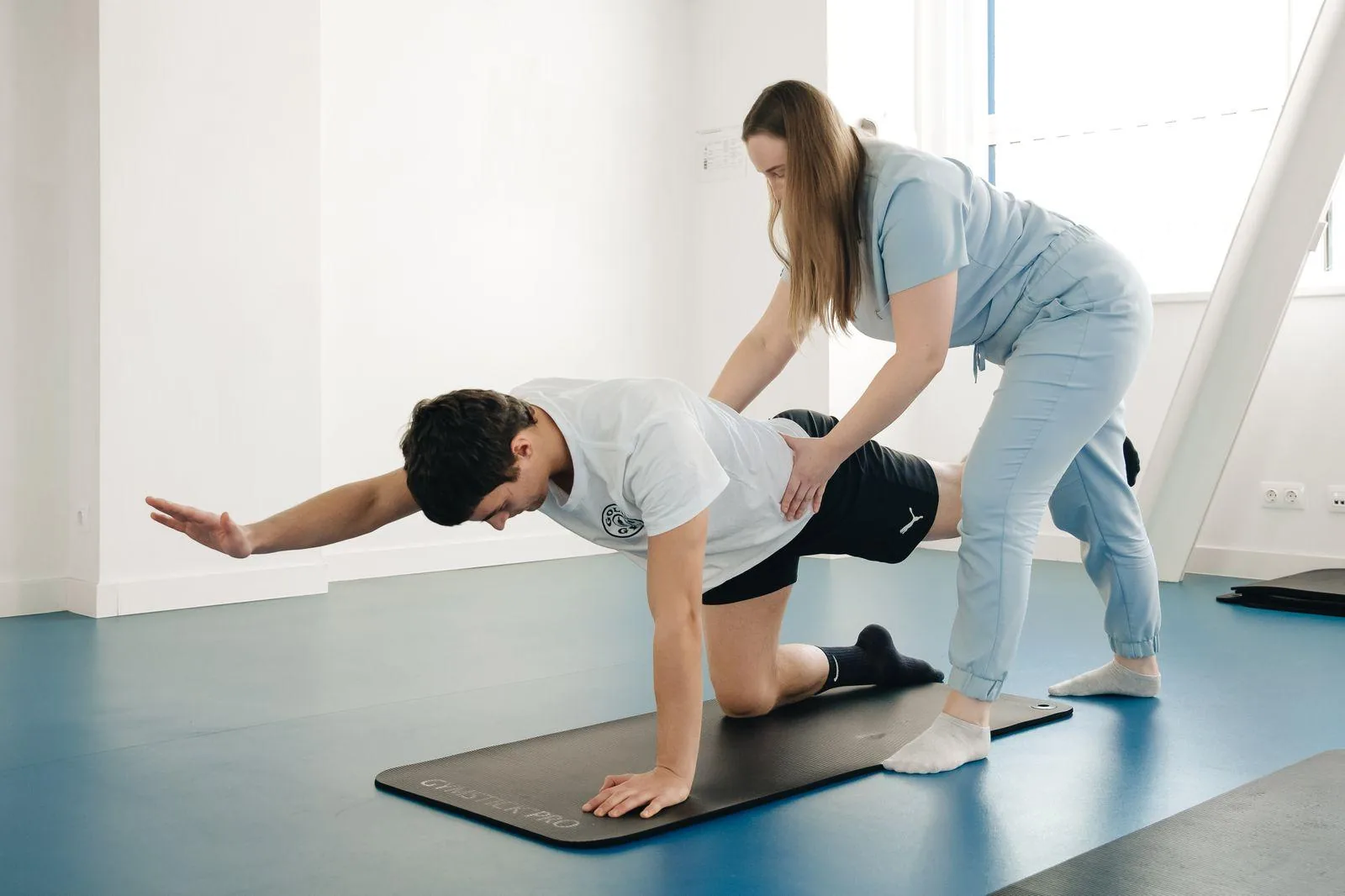
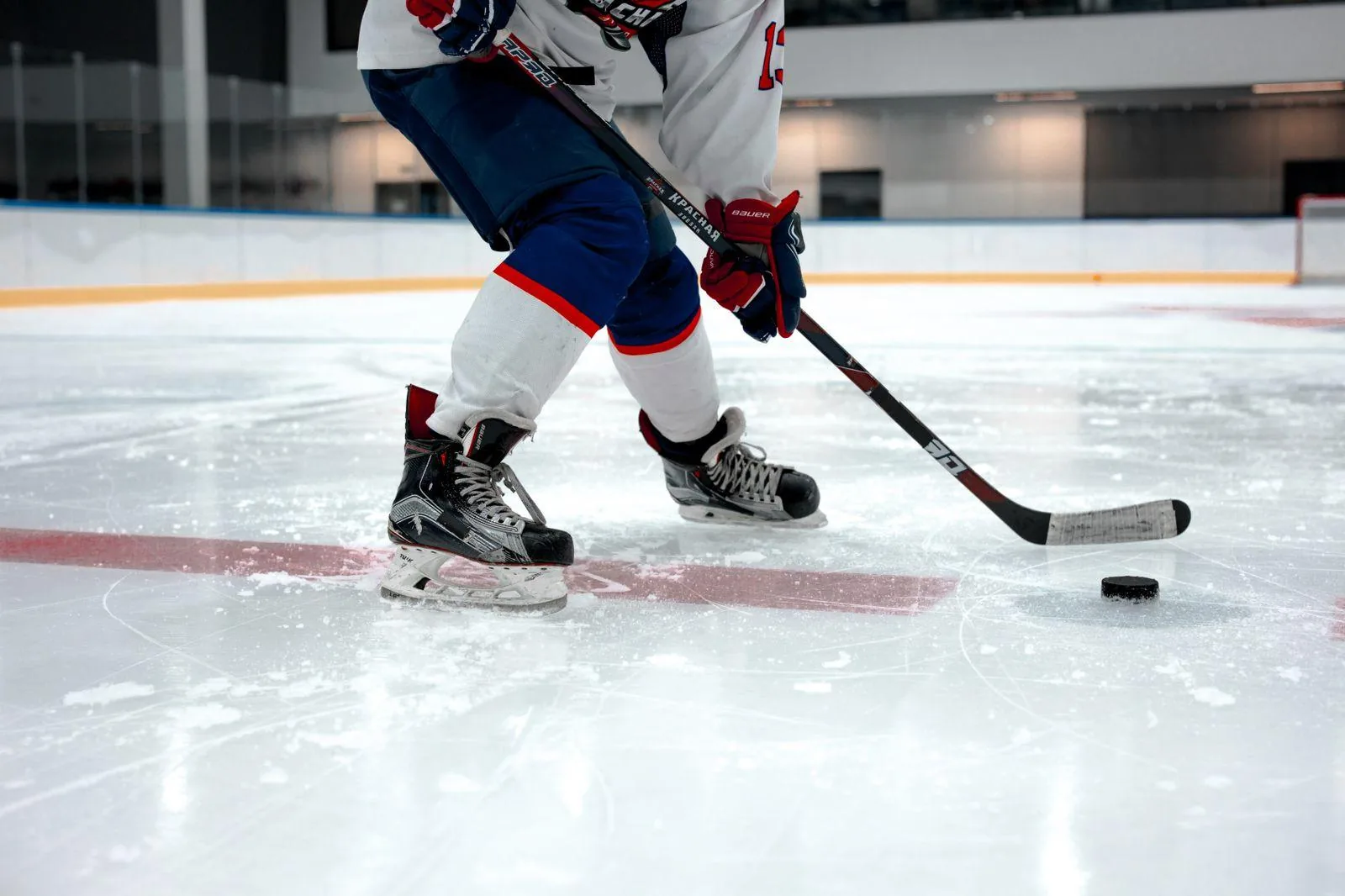
Hockey groin pain is usually a strength and load problem driven by the skating stride. Good hip pain physical therapy finds which structure is involved, then rebuilds it under load, in-season when possible.
Walking it off lets the pain fade while balance, strength and ankle control stay broken. That’s why the same ankle keeps rolling. Real ankle sprain rehab restores all of them before you go back to sport.
Most persistent tendon pain is a tendon that has failed to adapt to load, not an inflamed one. That’s why rest, ice and anti-inflammatories give short relief and nothing more. Effective tendinopathy treatment rebuilds the tendon with progressive loading.
Desk neck and shoulder pain isn’t caused by one bad posture. It comes from holding any position for hours with muscles too weak to tolerate it. Neck pain physical therapy builds that tolerance.
Most injuries get better faster when you keep training with the painful variable changed, not when you stop completely. Good sports physical therapy tells you which variable to change and when pain means stop.
Runners break down late because load was added faster than their tissues adapted, usually with no strength work underneath. Physical therapy for runners builds tolerance and manages that load.
15-minute PT visits rarely fix pain because there isn't time to find the root cause, coach your exercises or progress your plan.
No. You don't need a referral to see a physical therapist in Massachusetts.
Both can ease back pain. Physical therapy is usually the better choice for lasting results because it builds strength and changes how you move.
Most deadlift back tweaks are muscle or joint irritation, not serious damage, and improve with the right plan.
Sciatica is pain, tingling or numbness that travels from the low back or buttock down the leg, caused by an irritated nerve root.
Most people with low back pain don't need an MRI, especially in the first six weeks.
Runner's knee (patellofemoral pain syndrome) is pain around or behind the kneecap, often worse on stairs, squats or after sitting.