ACL Recovery Timeline: Surgery to Return to Sport
Key pointers
- Short answer: most athletes return to sport 9–12 months after ACL reconstruction. Not because the knee needs that long to stop hurting, but because the graft, the quad and your movement need that long to be ready.
- ACL rehab runs in phases. Each one has a job and an exit test. Dates on a calendar don’t clear you; your numbers do.
- The first two weeks decide a lot. Getting the knee fully straight and the quad firing early prevents months of problems later.
- Returning early is the biggest risk. Athletes who return before 9 months, or without passing strength and hop tests, re-tear far more often.
- At Pursuit, every visit is 60 minutes one-on-one with Dr. TJ, in a gym where you can actually train the way your sport demands.
- No referral needed in Massachusetts; Pursuit is out-of-network and provides superbills.
You’ve had the surgery. Now everyone has a different answer about when you’ll play again. The surgeon said six months. A teammate came back in five. A website said a year.
The honest answer is that the calendar is only half the story. ACL recovery is a series of phases, and you move to the next one when you’ve earned it, not when a date arrives. That’s how we run ACL and post-surgical rehab at Pursuit.
Here’s what ACL rehab physical therapy looks like from the week of surgery to the day you’re cleared, and what has to be true at each step.
The ACL recovery timeline at a glance
Timelines vary with your graft type, your surgeon’s protocol and whether the meniscus was repaired. This is the typical shape.
| Phase | Typical timing | The job | You move on when |
|---|---|---|---|
| 1. Protect and activate | Week 0–2 | Control swelling, get the knee fully straight, wake up the quad | Full extension, quad contracts on command, swelling trending down |
| 2. Restore movement | Week 2–6 | Normal walking, bending past 120°, basic strength | Walking without a limp, no brace or crutches, pain-controlled |
| 3. Build strength | Month 2–4 | Progressive loading: squats, deadlifts, leg press, single-leg work | Quad strength at least 70–80% of the other leg, good control on a single leg |
| 4. Run and jump | Month 4–6 | Return to running, landing mechanics, early plyometrics | Pain-free running, quad strength closer to 80–90%, hop tests improving |
| 5. Change direction | Month 6–9 | Cutting, pivoting, sprinting, sport drills at rising intensity | Hop and strength tests at 90%+, confident in drills |
| 6. Return to sport | Month 9–12 | Full practice, then competition, with load tracked | Passed return-to-sport testing, cleared by surgeon and PT |
The phases overlap, and no one moves through them at the same speed. The exit criteria are the point.
Phase 1–2: the first six weeks
This stage looks quiet and matters most. Three things have to happen:
1. Full extension, early. A knee that can’t straighten completely at week two often can’t straighten at month six. It changes your gait and overloads the kneecap.
2. Quad activation. The quad shuts down after surgery. Getting it firing in the first days, with specific exercises, is the foundation for every later phase.
3. Swelling control. Swelling keeps the quad switched off. Elevation, movement and the right dose of walking keep it down.
If you had prehab before surgery (strength, range and a plan), this phase goes faster. It’s one reason we start working with many athletes before their surgery date.
Phase 3–4: strength and running
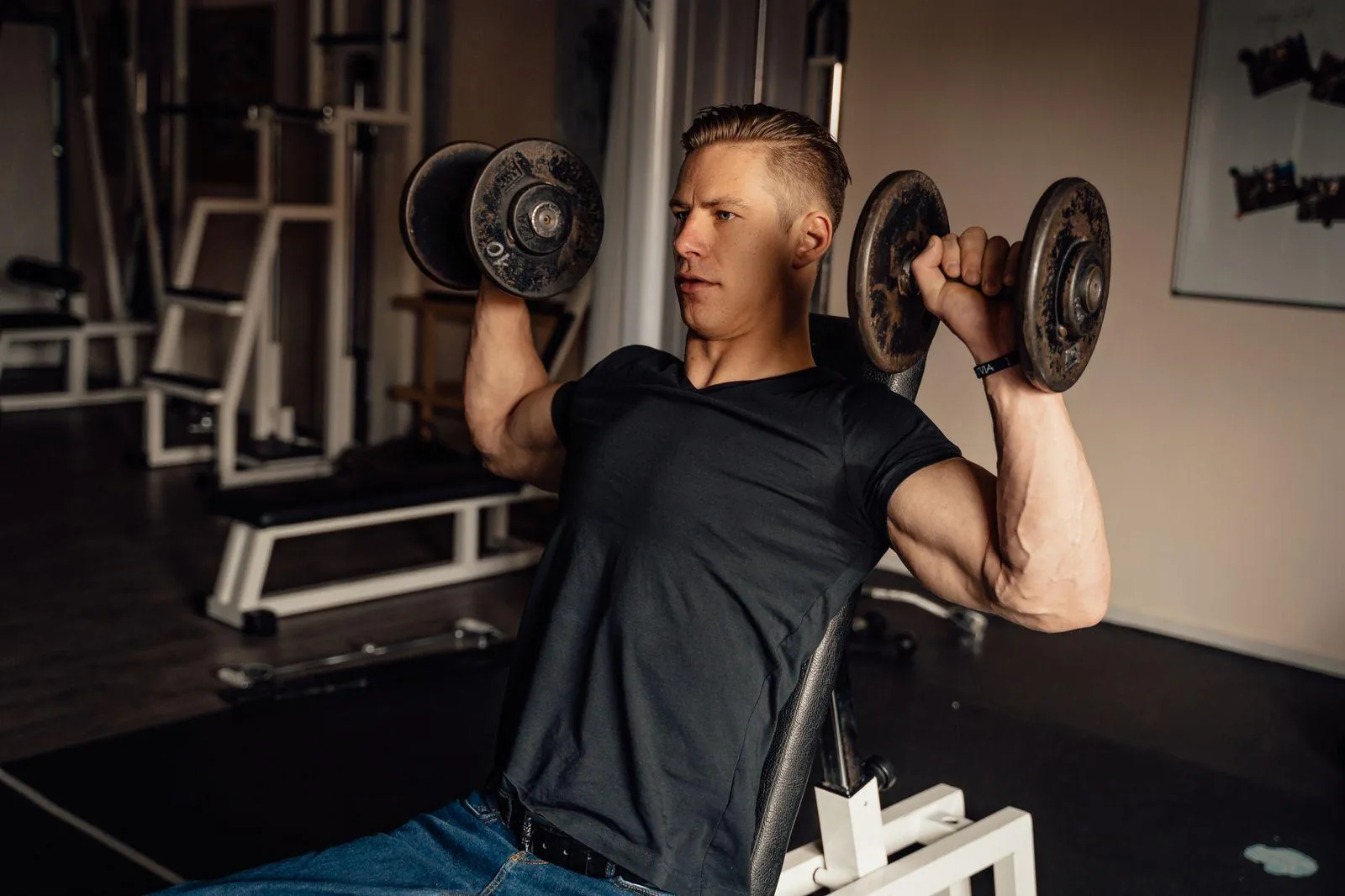
From around month two, rehab stops looking like rehab and starts looking like training. Squats, split squats, deadlifts, leg press, hamstring curls, calf raises, with weight on the bar and the reps coached.
This is where generic PT falls short. A resistance band won’t rebuild a quad to 90% of the other side. It takes real loads, measured often, over months. That’s why strength and performance training sits inside every ACL plan at Pursuit rather than being something you do afterward.
Running usually starts around month four, once your quad is strong enough and your single-leg control is clean. Starting earlier because a date arrived is how knee pain, swelling and setbacks creep in.
Phase 5–6: why 9 months matters
By month six, most athletes feel normal. The knee is quiet, the strength is back, and the temptation to return is enormous. This is the most dangerous window.
Two things aren’t finished at six months:
- The graft is still maturing. It keeps remodeling well past the first year.
- Your movement under fatigue and surprise isn’t tested yet. Cutting at full speed when a defender shifts is a different task than cutting in a drill.
Research on athletes after ACL reconstruction consistently points the same way: returning before nine months, or returning without passing objective tests, is linked to a much higher risk of a second ACL injury, on either knee. Nine months isn’t a magic number, but it’s a reasonable floor.
So the last phase is about testing, not time. Return-to-sport testing at Pursuit measures quad and hamstring strength side to side, single-leg hop distance and control, and how you move under fatigue. The target is 90% or better on the surgical side, with movement that holds up when you’re tired.
How Pursuit runs ACL rehab
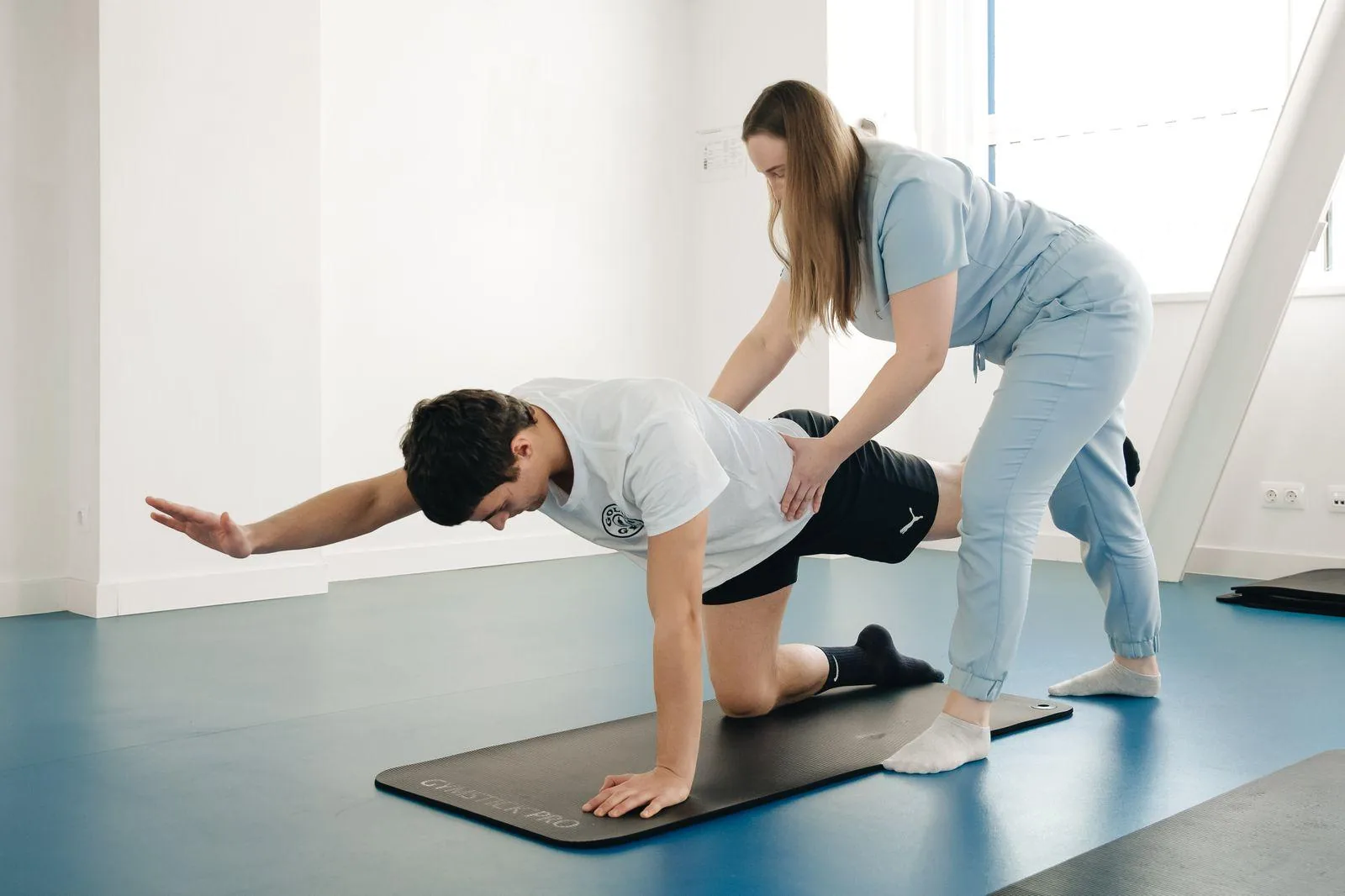
Every visit at Pursuit PT & Performance in Hopedale is a full 60 minutes with Dr. Tarandeep Jaidka (TJ). For ACL and post-surgical rehab, that means:
- Your surgeon’s protocol, followed. We work within your surgeon’s timeline and communicate with their office.
- One therapist, start to finish. No handoffs to an aide at the bike, and no sharing your hour. Read why in why 15-minute physical therapy visits don’t fix your pain.
- Numbers, not guesses. Strength and hop testing at each phase, so you always know where you stand.
- A real gym. Racks, plates, sleds and space to sprint and cut, because that’s what your sport requires.
- A plan for after clearance. Most of our athletes keep training with us through their first season back. See sports physical therapy.
Signs your ACL rehab is off track
- Your knee still won’t fully straighten after the first few weeks
- Your surgical-side thigh looks noticeably smaller than the other
- You’re being cleared to run before anyone has measured your strength
- Your exercises haven’t changed in a month
- No one has mentioned hop testing or return-to-sport criteria
- You’ve been told you’re done at a date, not a test result
Frequently asked questions
How long does ACL recovery take?
Most athletes return to full sport 9–12 months after surgery. Daily activities feel normal much sooner, often by three months, but sport readiness takes longer.
When can I run after ACL surgery?
Usually around month four, once your quad strength, swelling and single-leg control meet the criteria. The date matters less than the numbers.
Can I do ACL rehab without surgery?
Some people, especially those not returning to pivoting sports, do well with rehab alone. That’s a decision to make with your surgeon and your PT, based on your goals and how stable the knee is.
Do I need a referral in Massachusetts?
No. Massachusetts allows direct access, so you can book with us directly. Learn more in do you need a referral to see a physical therapist in Massachusetts.
Do you take insurance?
We’re out-of-network. We provide superbills you can submit to your insurer.
Where are you located?
We’re at 3b Condon Way, Hopedale, MA. Patients come from Milford, Franklin, Hopkinton, Holliston, Medway and across the MetroWest and Greater Boston area.
Come back once. Come back ready.
An ACL rehab done right is the difference between a season back and a second surgery. Whether you’re pre-op, fresh out of surgery or stuck at month six, book a full hour with TJ and get a phase-by-phase plan with the tests to match.
Book an appointment, no referral needed.