Runner's Knee: Why It Hurts and Why Your Plan Has to Be Yours
Key pointers
- Runner's knee (patellofemoral pain syndrome) is pain around or behind the kneecap, often worse on stairs, squats or after sitting.
- It's usually a load problem, not damage. The knee is doing more work than it's ready for.
- Strengthening the hips and quads is a core part of runner's knee treatment, but which muscles, how much and in what order is different for every runner.
- You often don't have to stop running, but how much you can safely do depends on your knee, your training and your goals.
- The same pain can have different causes in different runners, which is why copied exercise lists often don't work.
- See a PT if pain lasts more than a few weeks, changes how you run, or comes with swelling or giving way.
You were building mileage and feeling good. Then the ache started around your kneecap. Now stairs hurt, and so does sitting through a movie.
Runner's knee treatment works best when it targets the muscles that control your knee, mainly the hips and quads, and when your training load is managed. But which muscles, how much work and what order is different for every runner. That's what this post is about: why runner's knee keeps catching runners out, and why the fix has to be built around you.
Here's what's usually going on, and why it takes an individual plan to fix.
What is runner's knee?
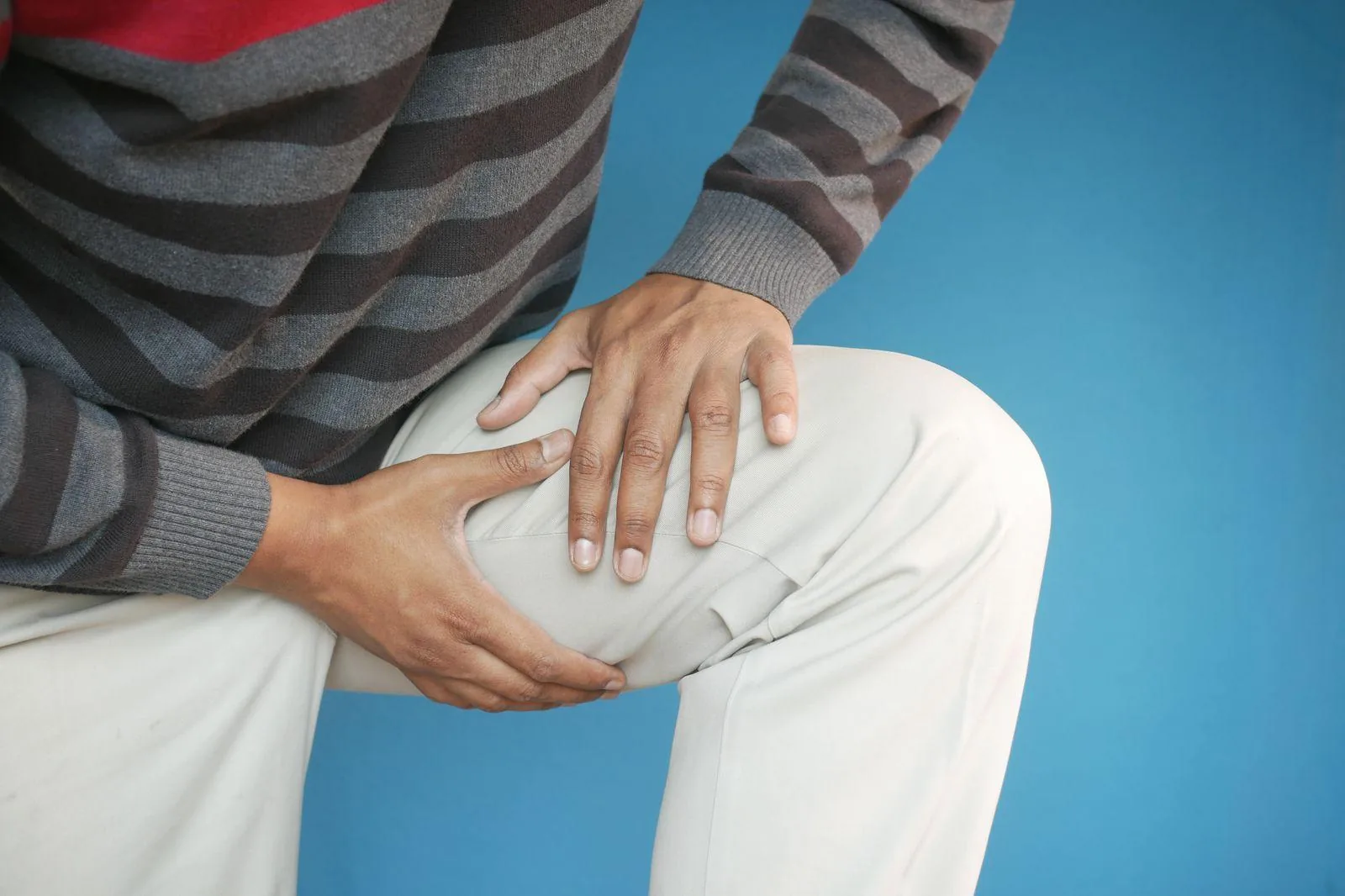
Runner's knee, or patellofemoral pain syndrome, is pain where the kneecap meets the thigh bone. It's one of the most common running injuries.
Typical signs:
- A dull ache around or behind the kneecap
- Pain going down stairs or hills
- Pain when squatting, kneeling or jumping
- Stiffness or ache after sitting with knees bent
It usually builds gradually rather than from a single moment.
Why it happens
Runner's knee rarely has one cause. It's usually a mismatch between how much load the knee gets and how much it can handle.
| Driver | What it looks like |
|---|---|
| Training spikes | Adding miles, hills or speed too quickly |
| Weak hips | Knee collapses inward when you land |
| Weak quads | Less control as the knee bends |
| Running form | Overstriding or landing with a straight knee |
| Recovery | Too little rest between hard sessions |
Most runners have more than one of these, in different amounts. One runner's knee hurts because the hips tire late in a long run. Another's hurts because of a sudden jump in hills. Two runners with the same pain can need completely different plans.
Why runners get stuck with runner's knee
Runner's knee is common, and so is staying stuck with it. Here's where it usually goes wrong:
- Copying an exercise list. The exercises that fixed someone else's knee were chosen for their weak spots, not yours. Done at the wrong level, they can leave you no better, or leave the knee more irritated.
- Resting until it stops hurting. The pain fades, but the reason it started hasn't changed. It comes back when the miles do.
- Fixing only one thing. New shoes, a tweak to your form or a few hip exercises each address one driver. If the real problem sits somewhere else, nothing changes.
- Guessing the load. Too much running keeps the knee irritated. Too little and the knee never gets stronger. Where the line sits is different for every runner.
- Rushed care that misses the cause. A generic handout and a short visit rarely find what is driving your pain.
Why treatment has to be individual
Good runner's knee treatment does target the muscles that control your knee, mostly around the hips and thighs, and it does manage your training load. But those are the starting points, not the plan. The plan comes from what we find in you:
- Which muscles are actually weak, and by how much compared with your other side
- How your knee controls itself on one leg, when you step down, squat, land or hop
- How you run, including cadence, stride and what happens as you tire
- What your training has looked like over the last weeks and months
- Your hips, ankles and mobility, which can all change the load on the knee
- Your sleep, recovery, work and the race or goal you're training for
Those answers decide which exercises you need, how heavy and how often, when to progress and how much running fits in along the way. Change any of them and the plan changes too.
When to see a physical therapist
Book an evaluation if:
- Pain lasts longer than three to four weeks
- It's changing how you run
- Your knee swells, locks or gives way
- You have a race coming up and need a plan
- You've tried exercises from the internet, or a previous round of PT, and your knee isn't better
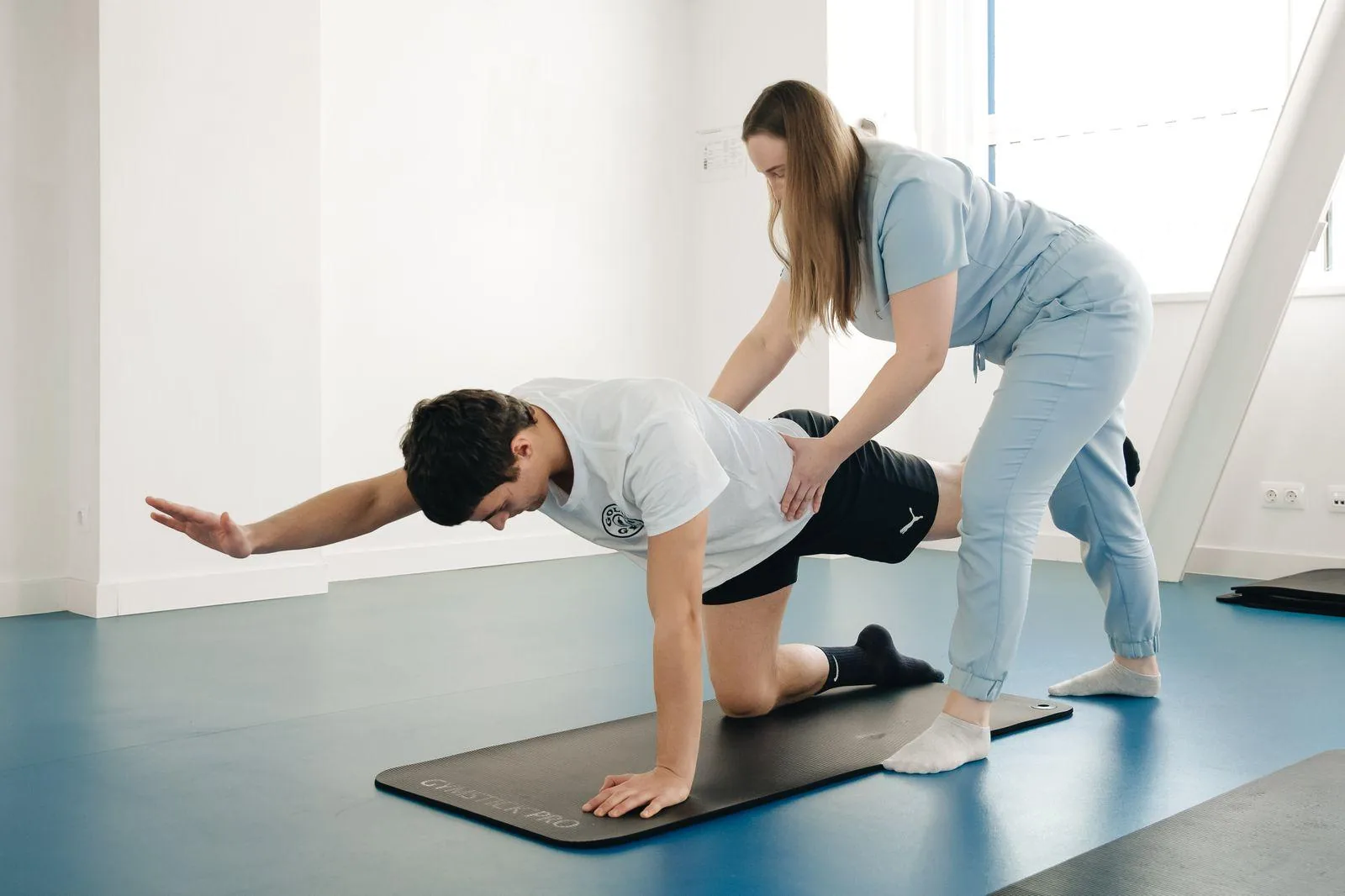
At Pursuit, care for runners and endurance athletes looks at your training, how you move and how you run. Every visit is a full hour of one-on-one physical therapy, combined with strength and performance training. Your plan is built around what we find in you, not around a standard protocol. Before you ramp back up, return-to-sport testing checks whether your knee is ready. Learn more about sports physical therapy.
Frequently asked questions
How long does runner's knee take to heal?
There isn't one timeline. Many runners notice a clear improvement within six to twelve weeks once the cause has been found and addressed, but how long it takes depends on what's driving your pain, your training and how your knee responds.
Can I run with runner's knee?
Often, yes, but how much depends on your knee and your training. An assessment tells you what's safe for you.
Should I wear a knee brace or tape?
Taping or a brace can ease symptoms short-term for some runners. It doesn't fix the cause, and whether it makes sense for you depends on what's driving your pain.
Are new running shoes the fix?
Sometimes shoes help comfort, but they rarely fix runner's knee alone. Load and strength matter more.
Do I need a referral to see a PT for knee pain?
Not in Massachusetts. Read do you need a referral to see a physical therapist in Massachusetts.
I did PT for my knee before and it didn't help. Why?
Generic exercises and rushed visits often miss the cause. Read why 15-minute PT visits don't fix your pain.
Which exercises are best for runner's knee?
The right exercises depend on what's driving your pain. Treatment usually focuses on the muscles around the hips and thighs, but which ones, how much and how fast to progress is different for every runner. The wrong dose can leave you no better, or irritate the knee. An assessment shows which ones you need.
Why does my runner's knee keep coming back?
Usually because the pain settled but the cause didn't change. Rest can calm the knee, but if the strength, training load or movement that started it stays the same, it tends to return when you build mileage again.
Get back to running pain-free
Your knee can handle the miles. It just needs to be built for them. Book a full hour with TJ at Pursuit PT & Performance in Hopedale, and find out what your knee needs. We serve runners from Milford, Franklin, Hopkinton and across Greater Boston.
Book an appointment, no referral needed.