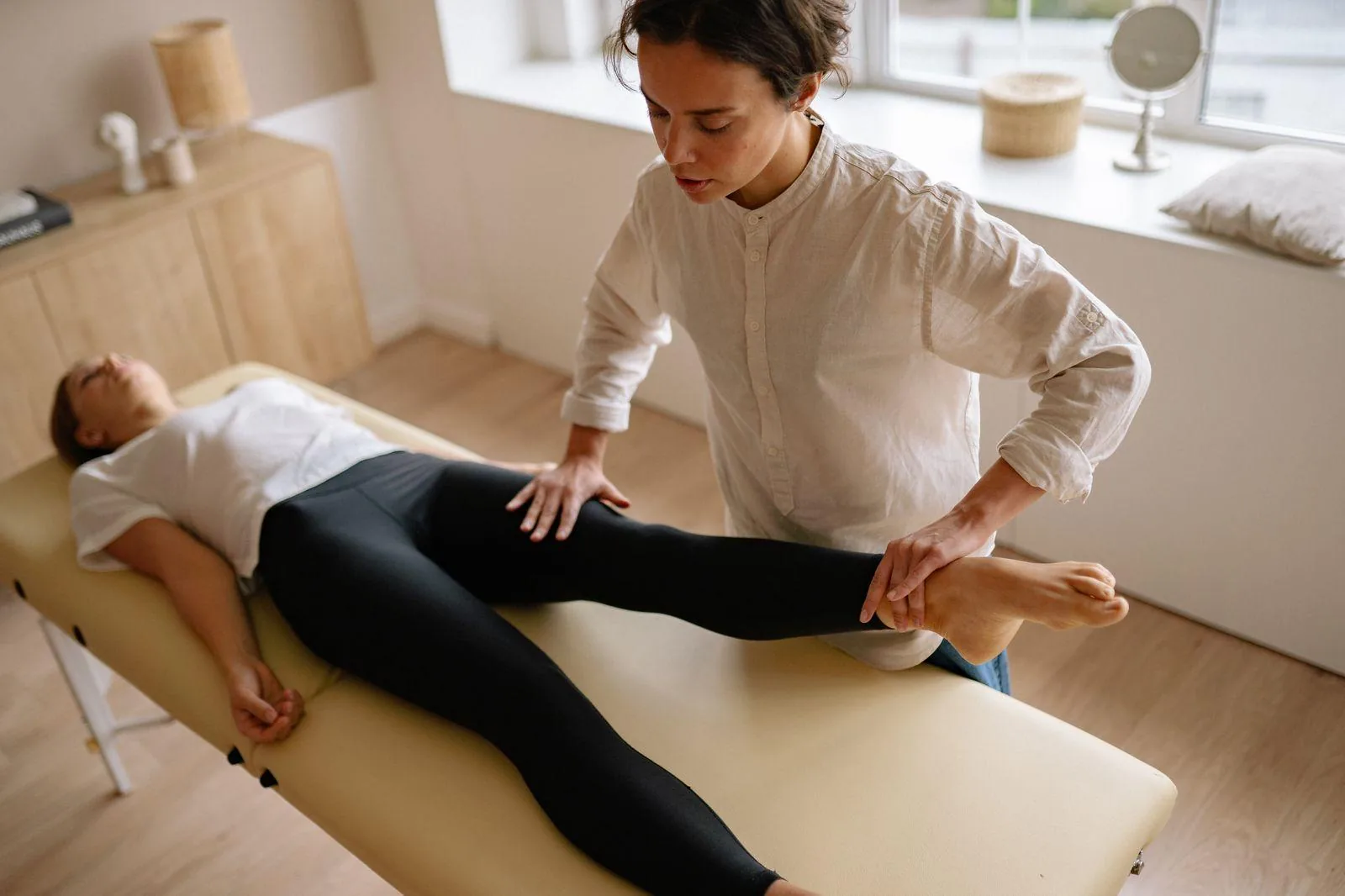
How to Choose a Physical Therapist: 7 Questions to Ask First

Key pointers
- Short answer: choose a physical therapist by asking how much of each visit you’ll spend one-on-one with a licensed PT, whether they assess your whole body, what the plan and timeline are, and whether their setup matches what you want to get back to. Distance and insurance matter less than people assume.
- “Physical therapist near me” returns whoever ranks, not whoever’s best for your problem. The list is where the search starts, not where it ends.
- The biggest difference between clinics is time: one therapist per patient, or one therapist across four.
- Credentials tell you something. A DPT is the standard. Board certification (OCS, SCS) and experience in your sport tell you more.
- At Pursuit, every visit is 60 minutes one-on-one with Dr. TJ, in a gym, with a roadmap from the first visit.
- No referral needed in Massachusetts; Pursuit is out-of-network and provides superbills.
You type “physical therapist near me” and get a map with eleven pins. They all have four-and-a-half stars. They all say they offer personalized care. How do you pick?
Most people pick the closest one that takes their insurance. Then they spend three months in a crowded clinic doing the same band exercises, and conclude PT doesn’t work. If that sounds familiar, read why 15-minute PT visits don’t fix your pain.
It does. You just need to ask the right questions before you book. Here are seven.
1. Will I be one-on-one with a licensed physical therapist for the whole visit?
This is the question that matters most, and the one clinics least want to answer plainly. Ask it directly.
In many high-volume clinics, one therapist is scheduled with three or four patients an hour. You’ll get a few minutes with the PT, then hand off to an aide at the bike or a hot pack. The therapist’s attention, the thing you’re paying for, is divided.
The answer you want: one patient, one licensed PT, start to finish.
2. How long is each visit?
Thirty minutes shared is not thirty minutes. Sixty minutes alone is a different kind of care. In an hour, a therapist can hear your story, assess you properly, treat hands-on, coach your strength work and update your plan. In fifteen, they can check the sore spot and hand you a sheet.
At Pursuit, every visit is a full 60 minutes with Dr. Tarandeep Jaidka (TJ). That isn’t a premium add-on. It’s the minimum the work takes.
3. Will you assess my whole body, or just where it hurts?
Knee pain often starts at the hip. Shoulder pain often starts in the upper back. A clinic that only looks at the painful area treats the symptom and misses the cause, which is why the pain comes back.
Ask what the first visit involves. You want a full movement assessment and a clear explanation of what’s driving the problem, before any treatment starts. That’s the core of one-on-one physical therapy at Pursuit.
4. What will my plan look like, and how long will it take?
A good PT can tell you, after the first visit, roughly what the plan is, how often you’ll come, and when you can expect to be done. Vagueness here is a warning sign. “Let’s see how it goes” usually means the plan is whatever’s on the printout.
You’re looking for a roadmap with phases, a timeline, and tests that tell you when you’ve moved from one phase to the next.
5. Does your setup match what I want to get back to?
If your goal is to squat, run, play soccer or carry your kids up the stairs, your rehab has to eventually look like that. A clinic with a table, a bike and a drawer of bands can’t take you there.
Ask what equipment they have and whether rehab and strength training happen together. Pursuit is set up like a gym on purpose: racks, plates, sleds and room to sprint, so strength and performance training is part of your rehab, not something you figure out after discharge.
6. What are your credentials, and have you treated people like me?
Every physical therapist in the US now graduates with a Doctor of Physical Therapy (DPT). That’s the floor. Look for:
- Board certification. OCS (Orthopedic Clinical Specialist) or SCS (Sports Clinical Specialist) means additional training and a passed specialty exam.
- Experience with your problem. Post-surgical rehab, runners, lifters, overhead athletes. Ask who they usually treat.
- Someone who trains. A therapist who lifts and moves understands what you’re trying to return to.
Dr. TJ is a PT, DPT and board-certified OCS who works with athletes and active adults. You can see how he works with them in sports physical therapy.
7. How does payment work, and what does that buy me?
In-network clinics bill your insurance and you pay a copay. Out-of-network clinics like Pursuit charge per visit and give you a superbill to submit for possible reimbursement.
The mistake is comparing copay to visit fee. Compare total cost to get better. Twelve rushed visits at a copay, plus an MRI, plus another round of PT next year, often costs more than a focused plan that solves the problem once. Ask any clinic how many visits they expect and what you’ll be able to do at the end.
How the two models compare
| Question | Typical in-network clinic | Pursuit PT & Performance |
|---|---|---|
| Time with a licensed PT | 15–20 minutes of a shared hour | 60 minutes, one-on-one |
| What gets assessed | The painful area | Your whole body, for the cause |
| Plan | Standard exercise sheet | Phased roadmap with a timeline and tests |
| Equipment | Table, bike, bands | Full gym setup |
| Support between visits | None until next visit | Direct text and coaching |
| Referral needed? | Sometimes required by insurance | No; direct access in Massachusetts |
| Payment | Copay per visit, billed to insurance | Out-of-network; superbills provided |
Red flags to walk away from
- You spend more of the visit with an aide than the therapist
- The same exercises for weeks, with no measurement of progress
- No one can explain what’s causing your pain
- No timeline, no end point
- Heat, ice and e-stim take up half the visit
- You’re told to rest and come back if it doesn’t improve
If you’re also weighing other types of care for back pain, read physical therapy vs. chiropractor for back pain.
Finding a physical therapist near Hopedale, MA
Pursuit PT & Performance is at 3b Condon Way in Hopedale, serving Milford, Mendon, Upton, Franklin, Hopkinton, Holliston, Medway, Bellingham and the wider MetroWest and Blackstone Valley area. Patients routinely drive 30–45 minutes for care that works, because the alternative is months in a clinic that doesn’t.
You don’t need a referral. Book online, then pick a time on TJ’s calendar.
Frequently asked questions
How do I know if a physical therapist is good?
Ask the seven questions above. The strongest signals are one-on-one time with a licensed PT, a whole-body assessment, a clear plan with a timeline, and a setup that matches your goals.
Is cash-based or out-of-network physical therapy worth it?
For many people, yes. Fewer, longer, better visits often cost less in total than a longer course of rushed in-network visits, and you get a superbill to submit for reimbursement.
What’s the difference between a DPT and an OCS?
A DPT is the doctoral degree every PT earns. OCS is a board certification in orthopedics that requires additional clinical experience and a specialty exam.
Do I need a referral in Massachusetts?
No. Massachusetts allows direct access, so you can book with us directly. Learn more in do you need a referral to see a physical therapist in Massachusetts.
Do you take insurance?
We’re out-of-network. We provide superbills you can submit to your insurer.
Where are you located?
We’re at 3b Condon Way, Hopedale, MA. Patients come from Milford, Franklin, Hopkinton, Holliston, Medway and across the MetroWest and Greater Boston area.
Ask the questions. Then book the hour.
The closest clinic is rarely the right one. If you want a PT who gives you the full hour, finds the cause and builds a plan for the life you want to get back to, book a visit with TJ.
Book an appointment, no referral needed.