Rotator Cuff Pain: When to See a Physical Therapist

Key pointers
- Short answer: see a physical therapist for rotator cuff pain if it has lasted more than two weeks, wakes you at night, or makes lifting your arm weak. Most rotator cuff problems, including many tears, improve with the right rehab and never need surgery.
- Tendinopathy is far more common than a tear. The cuff gets overworked and irritated long before it tears.
- Imaging rarely changes the first step. Many pain-free adults over 50 have cuff tears on MRI. The scan shows what’s there, not what’s causing your pain.
- Surgery is for specific cases: a sudden tear after a fall in a younger, active person, or significant weakness that doesn’t respond to rehab.
- At Pursuit, every visit is 60 minutes one-on-one with Dr. TJ, with strength tested and a plan progressed every week.
- No referral needed in Massachusetts; Pursuit is out-of-network and provides superbills.
It started as an ache when you reached for the seatbelt. Now you can’t sleep on that side, lifting a gallon of milk is a project, and putting on a jacket makes you wince.
When the shoulder hurts like this, most people wonder whether something is torn and whether they need surgery. The honest answer is that the first question matters less than you’d think, and the second is usually no.
Here’s how to read what your shoulder is doing, when to get it looked at, and what rotator cuff pain treatment looks like when it works. Lifters with a pinch at the top of the press should also read shoulder pain when pressing overhead: what it means.
What the rotator cuff does, and how it gets hurt
The rotator cuff is four small muscles whose tendons wrap around the ball of your shoulder. Their job is to keep the ball centered in the socket while the big muscles move the arm. When they’re not keeping up, the shoulder loses control, and the tendons take the strain.
That strain shows up in three forms:
| What’s going on | How it usually starts | What it feels like |
|---|---|---|
| Tendinopathy (overload, no tear) | A jump in reaching, lifting or overhead work; a new job, a new program, a weekend of yard work | A pinch raising the arm, an ache after activity, stiffness in the morning |
| Partial tear | Often gradual, on top of long-standing tendinopathy; sometimes a single awkward lift | Same as above, plus pain lying on that side and some weakness |
| Full-thickness tear | A fall, a yank, a dislocation; or slow wear over years | Sudden pain and weakness after an injury, or a long-standing weak, achy shoulder |
Most people reading this have the first one. The treatment for the first two is the same, and even many full-thickness tears do well without surgery.
When to see a physical therapist
You don’t need to wait for it to get bad. See a PT if any of these are true:
1. It’s lasted more than two weeks. Rotator cuff pain that’s going to settle on its own usually does so quickly. If it hasn’t, it needs a plan: loading the cuff, sometimes with dry needling first to settle the pain.
2. It wakes you at night. Night pain, especially lying on the sore side, is the classic rotator cuff sign.
3. Your arm feels weak. If you can’t hold your arm out to the side against light pressure, or lifting feels unreliable, get it assessed.
4. It’s changing how you move. Hiking the shoulder to lift the arm, reaching with the other hand, avoiding overhead work.
5. You’ve had it before. A shoulder that’s flared twice has a reason, and it won’t fix itself the third time either.
When you need a doctor first
A small number of shoulders need medical review before or alongside rehab. Go to a doctor promptly if you had a fall, a dislocation or a sudden pop followed by immediate weakness, if the shoulder looks deformed, or if there’s numbness down the arm. A sudden full tear in an active person under 60 is one of the few situations where early surgery is often the better option, and timing matters.
For everything else, a PT can assess you directly. In Massachusetts you don’t need a referral.
Do you need an MRI?
Usually not, and not first. Studies of adults with no shoulder pain find cuff tears on MRI in a large share of people over 50. A scan tells you what the tendon looks like, not whether it’s the cause of your pain or what to do about it.
Imaging makes sense when there’s been a real injury with weakness, when rehab has been done properly and hasn’t worked, or when surgery is on the table. The same logic applies to the spine; see do I need an MRI for my back pain.
What rotator cuff treatment actually involves
The tendon needs two things: less of the load that irritated it, and more capacity to handle the load you want it to do. That isn’t a sheet of band exercises done for three weeks.
At Pursuit PT & Performance in Hopedale, every visit is a full 60 minutes with Dr. Tarandeep Jaidka (TJ). For a rotator cuff, that hour covers:
- Finding what’s irritated and why. Cuff strength tested muscle by muscle, shoulder blade control, upper back mobility and the joint itself.
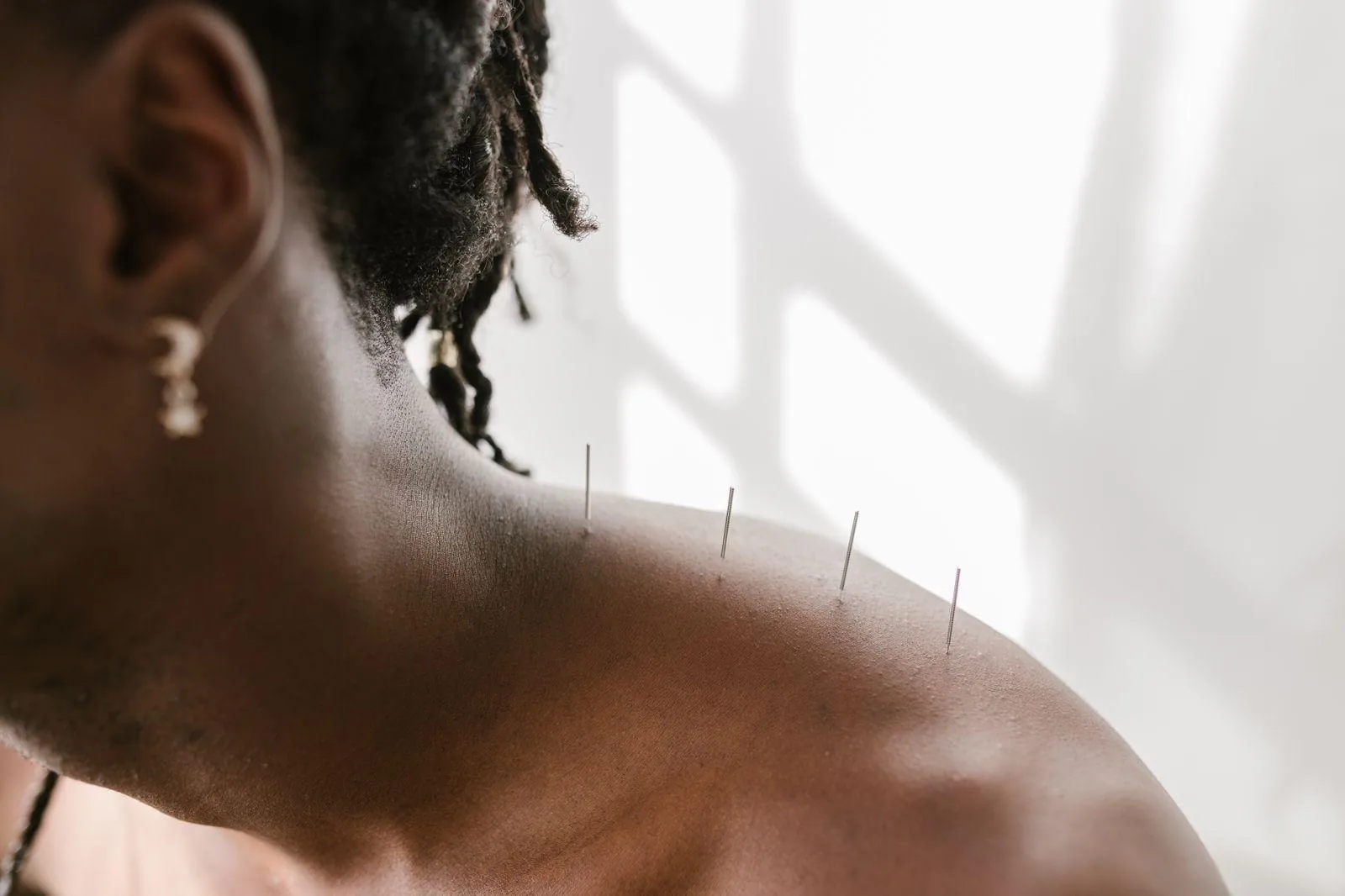
- Settling the pain. Manual therapy and dry needling where they help, so loading is tolerable.
- Rebuilding the cuff. Progressive strength work for the cuff and shoulder blade, with the weight going up as the tendon allows.
- Restoring the movement you lost. Reaching, lifting, carrying and overhead work, trained in the gym, not just described.
- Finishing the job. Through strength and performance training, so the shoulder is stronger than it was before it hurt.
Most rotator cuff problems improve substantially within 12 weeks of consistent, progressed rehab.
Signs your rotator cuff rehab isn’t working
- Your exercises are the same bands and reps they were six weeks ago
- No one has measured your strength side to side
- You’ve been told to rest it, and it keeps coming back when you don’t
- Pain is easing but you still can’t lift, reach or sleep normally
- You’re being pushed toward injections or imaging before a real rehab plan has been tried
If you’ve had PT for your shoulder before and it was heat, a band and ten minutes with the therapist, that wasn’t enough. Read why 15-minute physical therapy visits don’t fix your pain.
Frequently asked questions
Can a rotator cuff heal without surgery?
Tendinopathy and partial tears almost always improve without surgery. Many full-thickness tears also do well with rehab, particularly in people over 60 or with gradual-onset tears. Your PT and doctor can tell you which group you’re in.
How long does rotator cuff pain take to heal?
Most people see real improvement in 6–8 weeks and substantial recovery around 12 weeks with consistent, progressed rehab. Older or more severe tears can take longer.
Should I keep exercising with rotator cuff pain?
Yes, with the right exercises at the right dose. Complete rest tends to make the tendon weaker and the shoulder stiffer. Modify what hurts rather than stopping everything.
Do I need a referral in Massachusetts?
No. Massachusetts allows direct access, so you can book with us directly. Learn more in do you need a referral to see a physical therapist in Massachusetts.
Do you take insurance?
We’re out-of-network. We provide superbills you can submit to your insurer.
Where are you located?
We’re at 3b Condon Way, Hopedale, MA. Patients come from Milford, Franklin, Hopkinton, Holliston, Medway and across the MetroWest and Greater Boston area.
Sleep on that side again.
A sore rotator cuff isn’t a life sentence or a surgery waiting to happen. It’s a tendon that needs a plan. Book a full hour with TJ, get your shoulder properly tested, and leave knowing exactly what’s wrong and what to do about it.
Book an appointment, no referral needed.