Plantar Fasciitis: Why Your Heel Hurts Most in the Morning
Key pointers
- Short answer: your heel hurts most in the morning because the plantar fascia shortens and stiffens overnight, then takes your full body weight on the first step before it has warmed up. The pain eases as the tissue loosens, and comes back after you’ve been sitting.
- Plantar fasciitis is a loading problem. The fascia under your foot is being asked to do more than it can handle, usually because of a jump in standing, walking or running, or because the calf and foot muscles aren’t sharing the work.
- Stretching and rolling help you feel better. Strengthening the calf and foot is what fixes it.
- Rest, insoles and injections can calm a flare. On their own they rarely stop the next one.
- At Pursuit, every visit is 60 minutes one-on-one with Dr. TJ, with your foot, calf and running or walking load all assessed.
- No referral needed in Massachusetts; Pursuit is out-of-network and provides superbills.
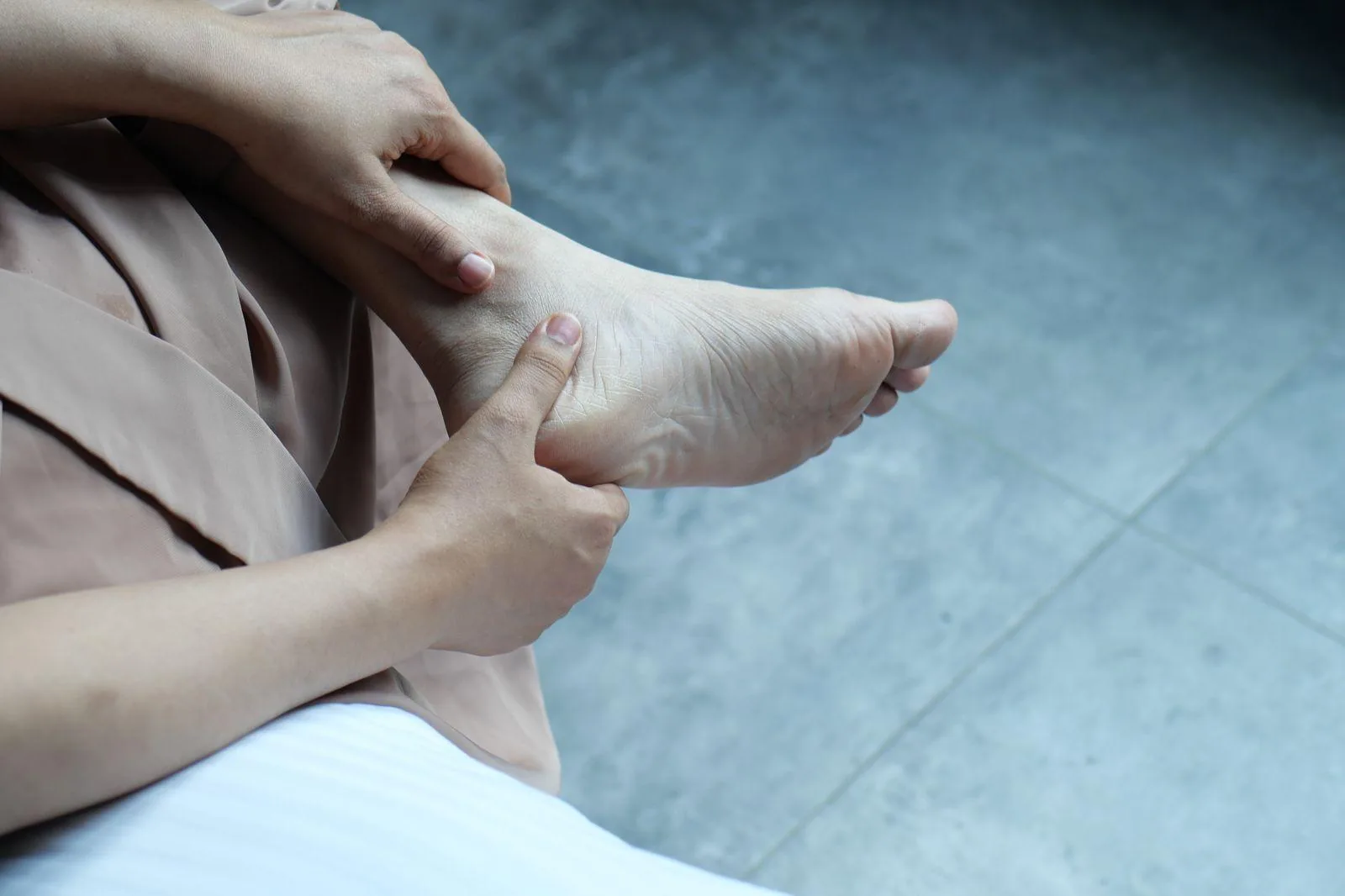
You swing your legs out of bed, put your foot down, and the bottom of your heel lights up. You hobble to the bathroom. Ten minutes later it’s bearable. By lunch you’ve forgotten about it. Then you stand up from your desk and there it is again.
That pattern, first-step pain that eases and returns, is almost always plantar fasciitis. Understanding why it behaves that way tells you most of what you need to know about treating it. The short version: stretching eases it, and calf and foot strength training fixes it.
Here’s what’s going on under your heel, what makes it worse, and what plantar fasciitis treatment looks like when it actually works.
Why it hurts most in the morning
The plantar fascia is a thick band of tissue running from your heel to the base of your toes. It supports your arch and stores energy with every step. When it’s overloaded, the tissue where it attaches to the heel bone becomes irritated and thickened.
Overnight, three things happen:
1. The fascia shortens. With your feet relaxed and pointed for hours, the tissue sits in its shortest position and stiffens.
2. Nothing has warmed it up. Tissue that’s stiff and cold tolerates load poorly.
3. Your first step is a full-weight step. You go from zero to your entire body weight on an unprepared heel.
The pain is the irritated attachment being pulled suddenly. As you walk, the fascia lengthens, blood flow rises and the tissue warms, so it hurts less. Sit for an hour and it stiffens again, which is why the pain comes back when you stand.
The morning pain isn’t the problem. It’s the symptom of a fascia that can’t handle its daily load.
What’s actually causing it
Most cases trace back to a mismatch between what the foot is being asked to do and what it can handle.
| Common driver | Why it matters |
|---|---|
| A jump in load | New running mileage, a new job on your feet, a long vacation of walking, a weight gain. The fascia adapts slower than your schedule changed |
| Weak calves and foot muscles | If the calf and the small muscles of the foot aren’t absorbing force, the fascia takes it instead |
| Stiff calf and ankle | Limited ankle motion pushes more strain into the arch with every step |
| Footwear changes | Flat, worn or unsupportive shoes, or a sudden switch to minimal shoes |
| Running mechanics | Overstriding, low cadence or a sudden change in form, especially in runners rebuilding mileage |
For runners, plantar fasciitis often shows up alongside a mileage spike. Care for runners and endurance athletes at Pursuit starts with your training log, not just your foot.
What helps today, and what fixes it
It helps to separate relief from repair.
Relief: what settles a flare
- Calf and plantar fascia stretches before your first steps, and after sitting
- Rolling the arch over a ball or a frozen water bottle
- Supportive shoes, including around the house, for a few weeks
- Taping or a temporary insole to offload the arch
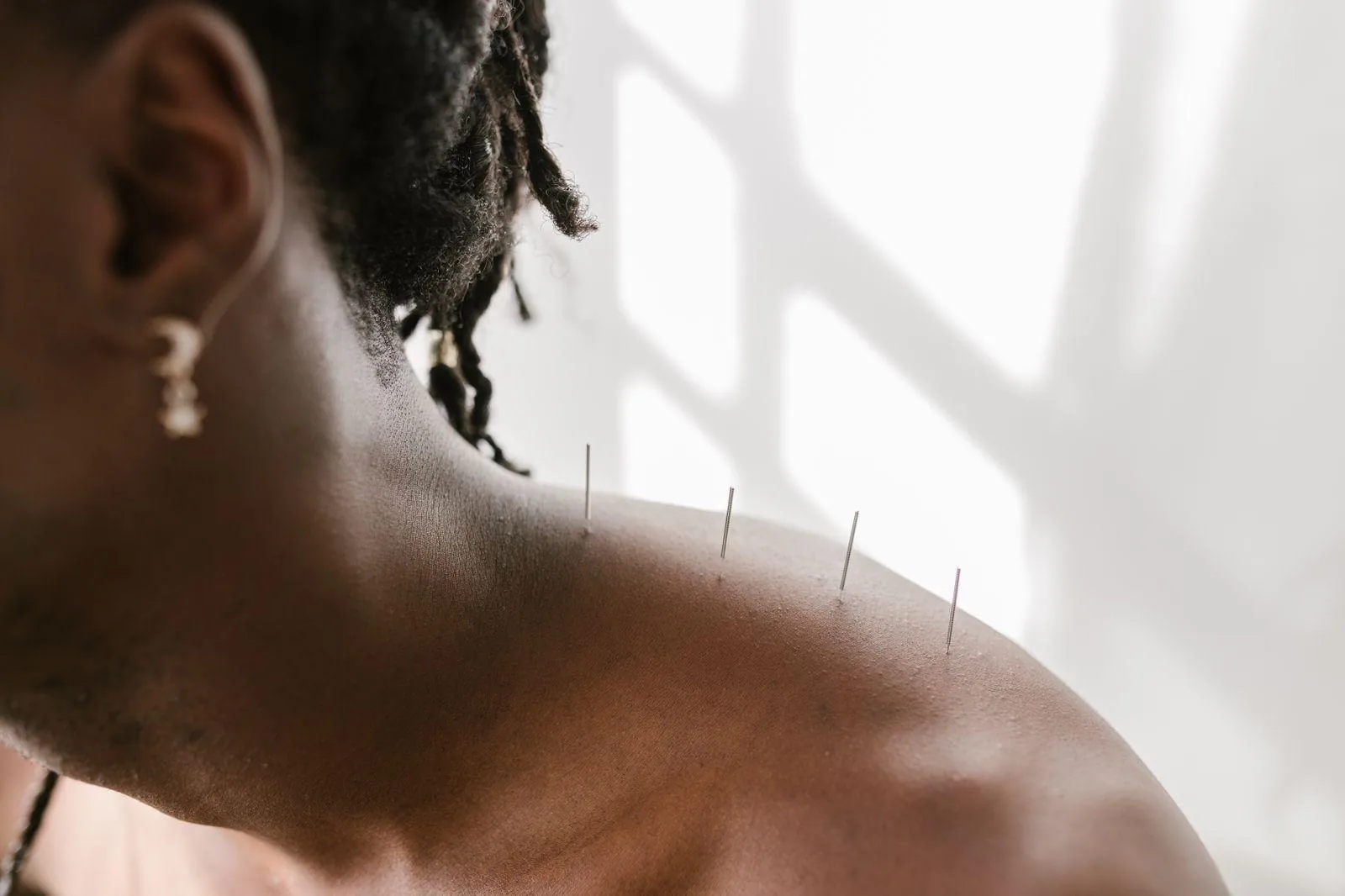
- Manual therapy for the fascia and calf, and dry needling for a tight, overworked calf
Repair: what stops it coming back
- Heavy, slow calf raises with a rolled towel under the toes, progressed in load over 8–12 weeks. This directly strengthens the fascia and calf and is the best-supported exercise for plantar fasciitis.
- Foot intrinsic strengthening so the arch supports itself
- Ankle mobility work if the calf is restricting motion
- Load management that lets you keep walking or running while the tissue recovers, instead of a full stop followed by a full return
- Hip and leg strength, because how you land starts above the foot
The rule that keeps people out of trouble: some pain during loading is fine if it settles within 24 hours. Pain that climbs day after day means the dose is too high.
What doesn’t fix it on its own
- Rest. It calms the flare and detrains the calf. The pain returns the first week back.
- Expensive custom orthotics. They can offload the arch. They don’t build the strength that lets you stop relying on them.
- Cortisone injections. Short-term relief, with a real downside risk to the fascia if repeated.
- Night splints alone. They reduce morning pain for some people and change nothing about load tolerance.
All of these have a place as support for a loading plan. None of them is the plan.
How Pursuit treats plantar fasciitis
Every visit at Pursuit PT & Performance in Hopedale is a full 60 minutes with Dr. Tarandeep Jaidka (TJ). For heel pain, that hour covers:
- Confirming it’s the fascia. Heel pad bruising, a nerve entrapment, Achilles problems and stress fractures can all mimic it and need different plans.
- Finding the driver. Calf strength tested side to side, ankle range, foot control, footwear and your training or standing load.
- Settling the flare. Hands-on care, including manual therapy, and short-term offloading so you can start the strength work comfortably.
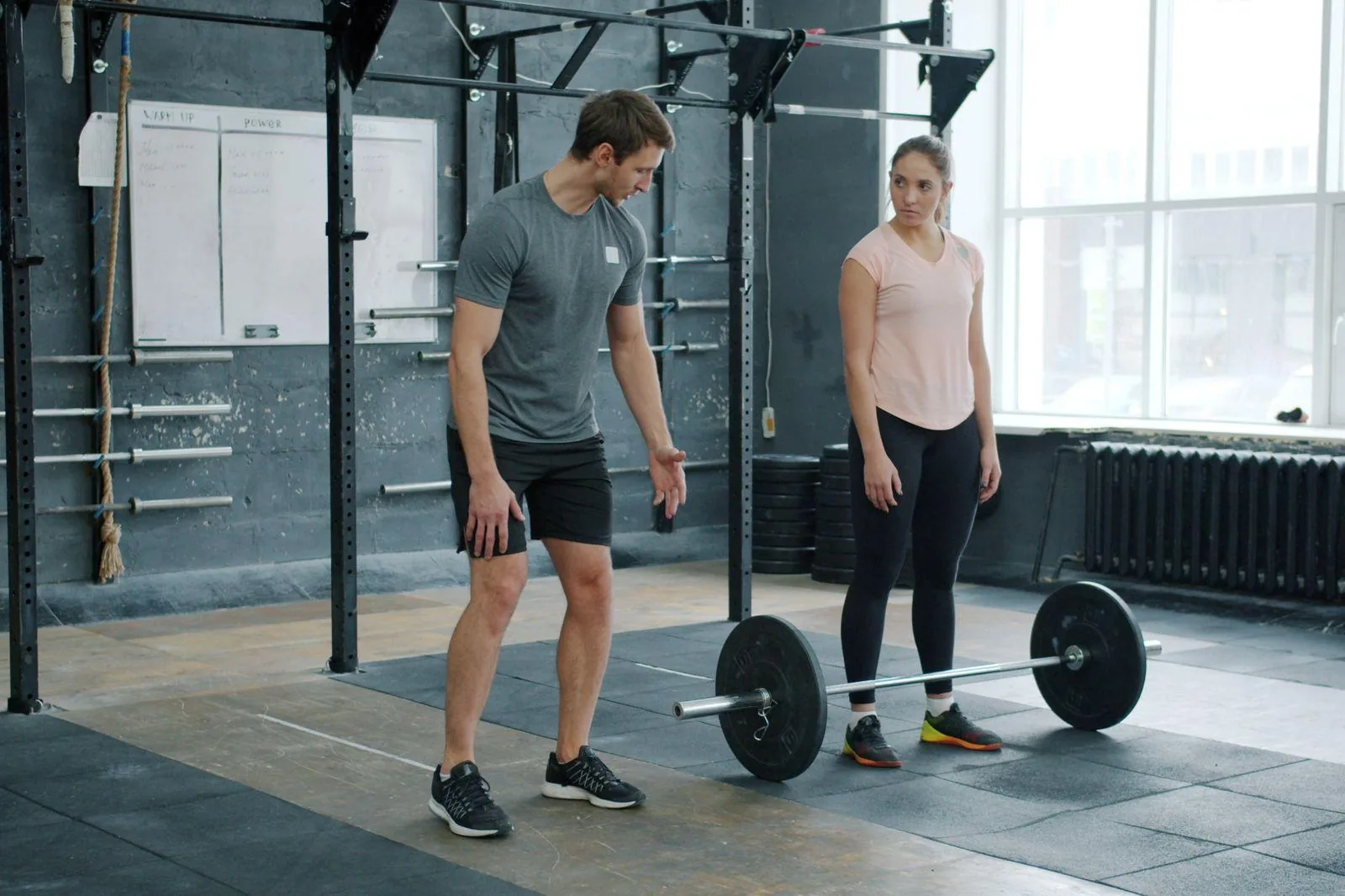
- Loading the tissue. Progressive calf and foot strength with real weight, through strength and performance training.
- Managing your return. A walking or running plan with volume tracked, so you get back without restarting the cycle.
If your heel pain started with running and your knee is complaining too, read runner’s knee: why it hurts and why your plan has to be yours.
Signs it’s time to see a physical therapist
- Morning heel pain that’s lasted more than 2–3 weeks
- Pain that now shows up during the day, not just with first steps
- You’ve tried stretching, rolling and new shoes and it keeps returning
- You’re changing how you walk to protect the heel
- You’ve cut back running or standing and it still hasn’t resolved
- Pain in both heels, or heel pain with pins and needles
Frequently asked questions
How long does plantar fasciitis take to heal?
With a proper loading plan, most people improve noticeably in 6–8 weeks and are largely resolved by 3 months. Cases that have dragged on for a year or more can take longer.
Should I keep running with plantar fasciitis?
Often yes, with volume reduced to a level the heel tolerates and rebuilt gradually. A complete stop usually isn’t needed and makes the return harder.
Are orthotics or insoles worth it?
As a short-term offload while you strengthen the foot, they can help. As the whole plan, they tend to leave you dependent on them.
Do I need a referral in Massachusetts?
No. Massachusetts allows direct access, so you can book with us directly. Learn more in do you need a referral to see a physical therapist in Massachusetts.
Do you take insurance?
We’re out-of-network. We provide superbills you can submit to your insurer.
Where are you located?
We’re at 3b Condon Way, Hopedale, MA. Patients come from Milford, Franklin, Hopkinton, Holliston, Medway and across the MetroWest and Greater Boston area.
Get out of bed without bracing for it.
If you’ve been managing your heel with stretches and new sneakers for months, it’s time to fix the reason it hurts. Book a full hour with TJ and leave with a strength plan built for your feet and your schedule.
Book an appointment, no referral needed.